The 2026 Shenzhen International Summit on Future Medicine (SZFM-2026) concluded successfully on March 22 at Shenzhen University's Lihu Campus. The three-day summit brought together more than 500 experts and scholars from over 10 countries and regions to discuss breakthroughs in cutting-edge medical technologies and pathways for industrial innovation in the context of global aging.
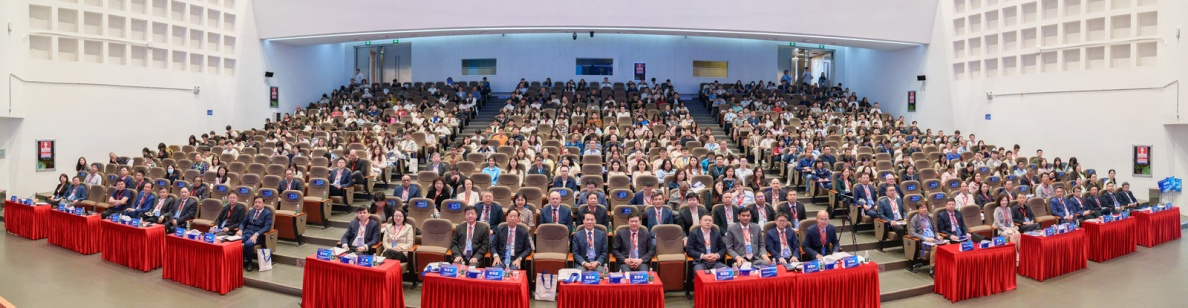
The summit was chaired by Zhan Qimin, Dean of the Peking University International Cancer Institute; Dong Jiahong, Dean of the School of Clinical Medicine, Tsinghua University; Jiang Baoguo, Director of the Shenzhen University Medical School; and Zheng Hairong, Executive Vice President of Nanjing University. The event featured one main session and four parallel sessions, and hosted more than 60 high-level academic presentations, focusing on two key themes: "AI-empowered healthy aging" and "challenges of chronic diseases in an aging society."
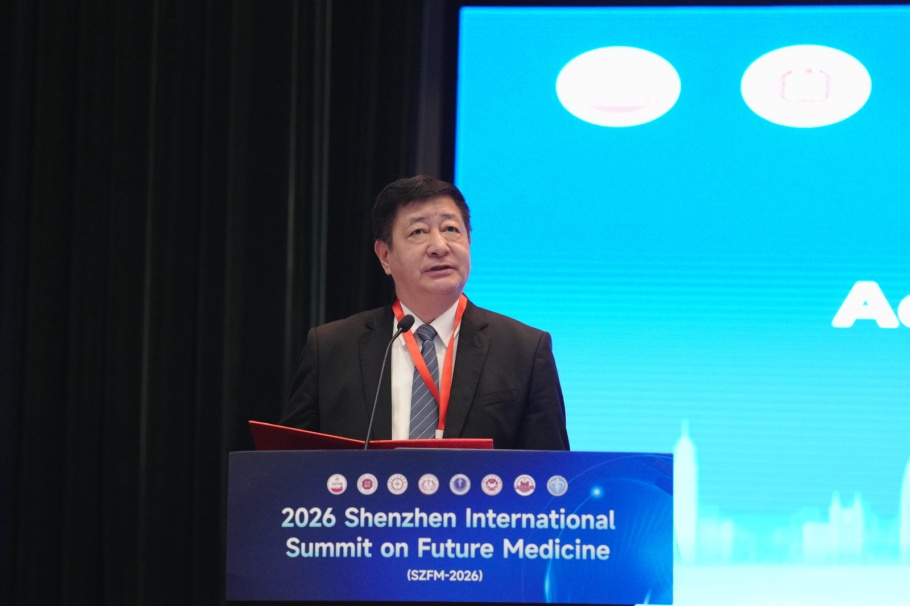
Li Yonghua, Vice President of Shenzhen University, noted in his remarks that medical sciences serve as a core driver of the university's efforts to achieve national "Double First-Class" status. He added that the university will advance "Medicine + X" interdisciplinary integration and build a full-chain innovation system spanning basic research, clinical practice, and translational medicine, contributing to the development of the Guangdong-Hong Kong-Macao Greater Bay Area as an international science and technology innovation hub and a healthy Bay Area.
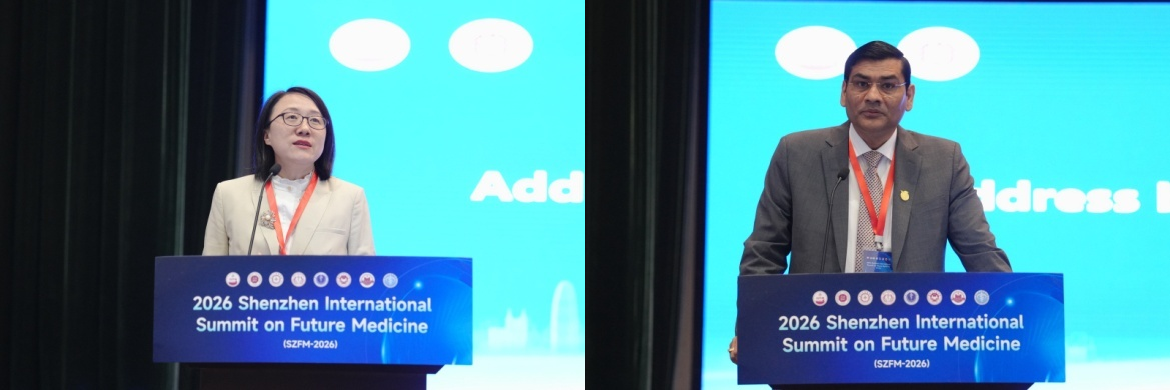
Helena Hui Wang, Asia Senior Executive Editor at The Lancet, and Ashutosh Tiwari, Secretary General of the International Association of Advanced Materials, were among the distinguished guests who delivered remarks. They highly commended the achievements of Shenzhen University's medical discipline and expressed their expectation for deeper cooperation.
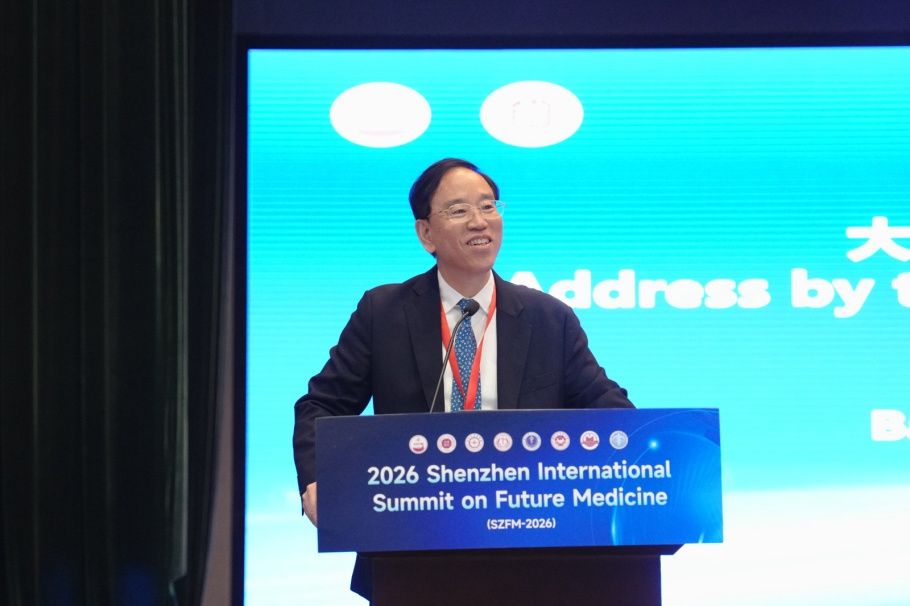
Jiang Baoguo proposed that efforts will continue to strengthen the summit as an academic brand and to position Shenzhen as a hub for future medical innovation, a demonstration zone for research translation, and a leading center for medical technology.
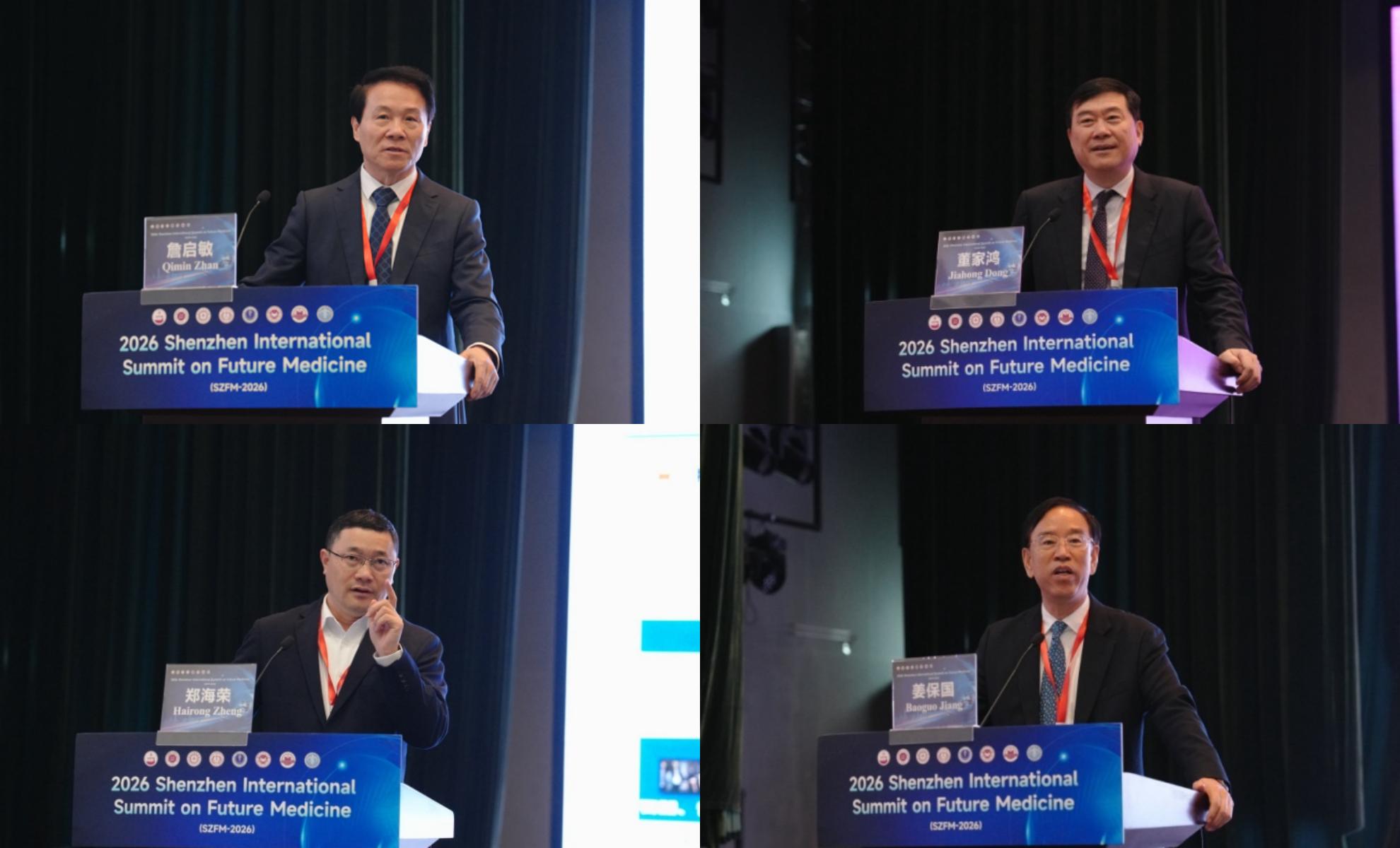
The summit featured four thematic sessions: AI-empowered healthy aging, research on osteoarthritis, aging processes and neurological diseases, and geriatric oncology. During the main forum on March 21, the four conference co-chairs delivered keynote reports, sharing cutting-edge insights on topics including digital and intelligent technologies for proactive aging, the digital transformation of precision surgery, the strategic value of brain-computer interfaces, and the full-chain prevention and control of bone aging. Renowned experts, including Cao Xu, Chair Professor at Johns Hopkins University; Professor Huang Ailong, Director of the Key Laboratory of Molecular Biology for Infectious Diseases at Chongqing Medical University; Professor Liu Guanghui from the Institute of Zoology, Chinese Academy of Sciences; and Professor Zhang Wenhong, Director of the National Center for Infectious Diseases, also presented their latest research findings on the prevention and treatment of osteoarthritic diseases, hepatitis B control, aging regulation, and infectious disease prevention and control.
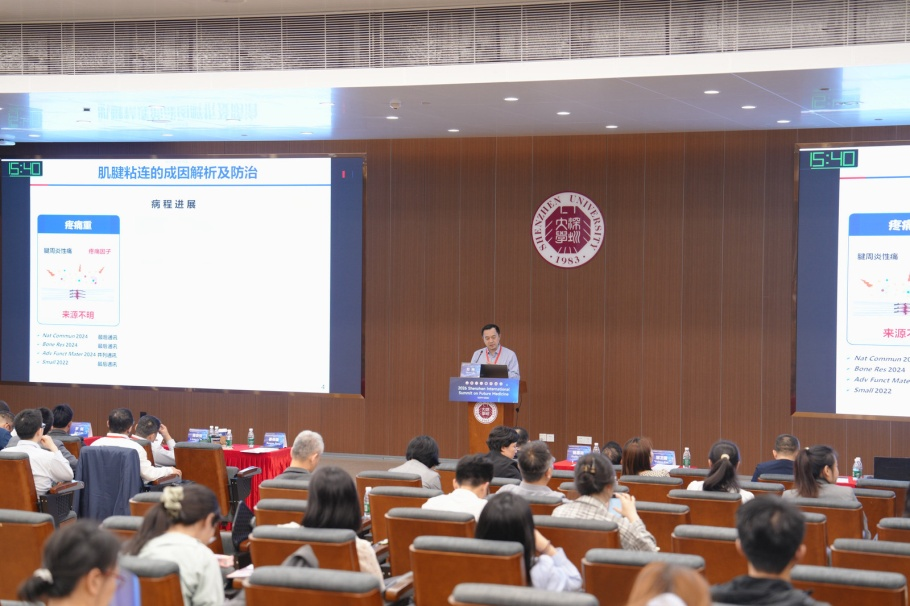
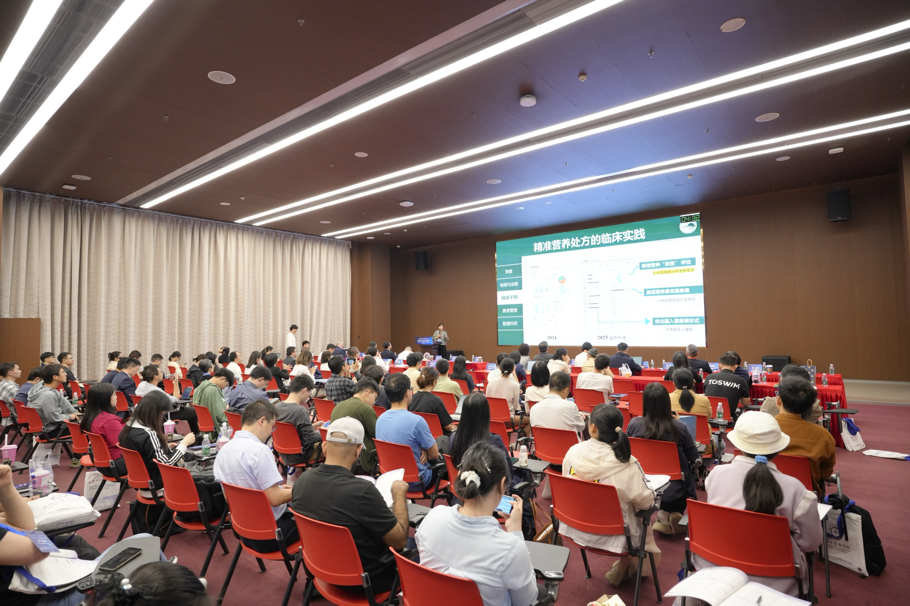
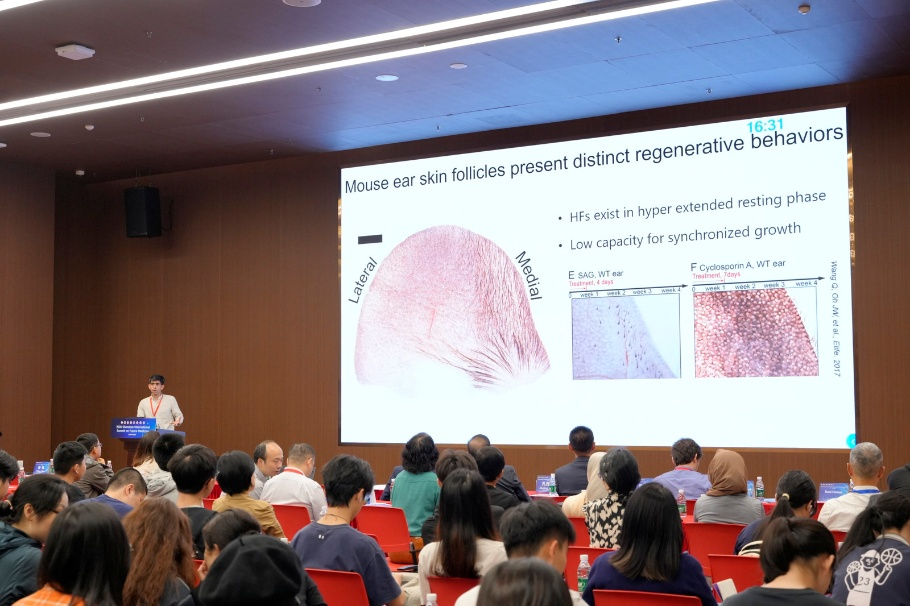
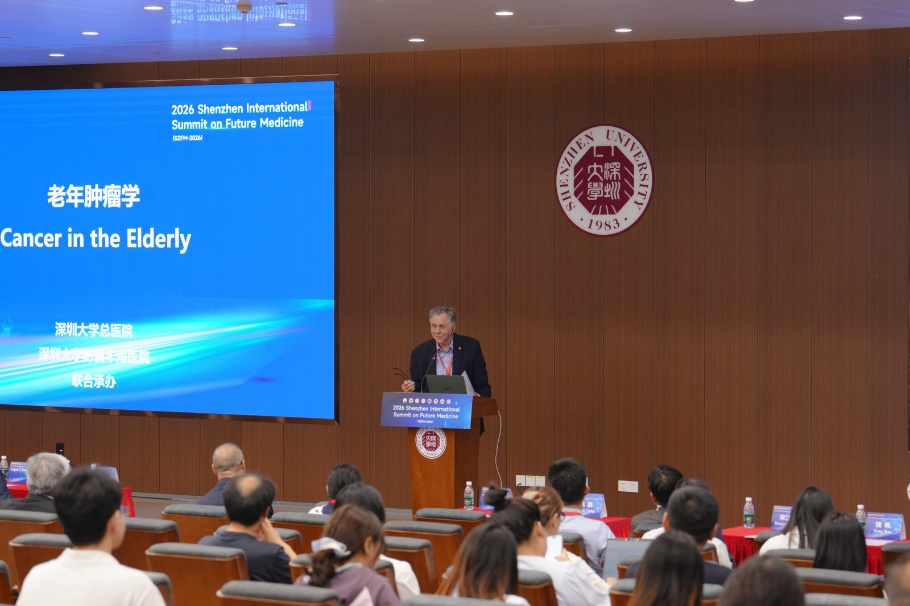
Parallel sessions were held concurrently, offering a range of solutions and clinical translation approaches to addressing population aging.
The summit promoted the deep integration of multiple disciplines, including medicine, artificial intelligence, and materials science, and bridged the entire chain from basic research to clinical translation, thereby contributing to improved public health. Jiang Baoguo announced that the summit will be held annually on the third weekend of March in Shenzhen, with a continued focus on medical frontiers, industrial innovation, and global health strategies, contributing Shenzhen's insights and experience to global health development.